There is a specific kind of magic that comes with opening a book that has already lived a full life. For many of us, the crisp, clinical smell of a brand-new book is certainly pleasant, but it lacks the depth and character found in something that has been handled, read, and cherished for decades. This is particularly true when it comes to scripture. Choosing to buy used bibles isn’t just a matter of saving a few pounds; it is about connecting with a tradition that spans generations. When you hold a pre-owned Bible, you are holding a physical testimony to someone else’s journey of faith.
In a world that often prioritises the newest and the latest, there is a quiet rebellion in seeking out something old. A used Bible often comes with a softened leather cover that fits perfectly into the palm of your hand, pages that have been turned so many times they feel like silk, and perhaps even the faint scent of a library or a wooden church pew. These physical attributes make the reading experience feel more personal and grounded. You aren’t just reading a text; you are participating in a long-standing cycle of study and reflection.

The hidden treasures found within the margins
One of the most fascinating aspects of pre-owned religious texts is what people leave behind. It is not uncommon to find a dried flower pressed between the pages of the Psalms, or a handwritten prayer request tucked into the back cover. These small glimpses into a previous owner’s life add a layer of humanity to the divine text. You might find a verse underlined in faded ink, or a thoughtful note scribbled in the margin that offers a perspective you hadn’t considered before.
These markings tell a story of their own. They show us which passages brought comfort to someone during a difficult time, or which verses were celebrated during a moment of joy. For many collectors and readers, these annotations are not ‘damage’ but rather an enhancement of the book’s value. They serve as a reminder that we are not alone in our questions or our devotion. We are part of a community of readers who have wrestled with these same words for centuries.
Why older editions often offer better quality
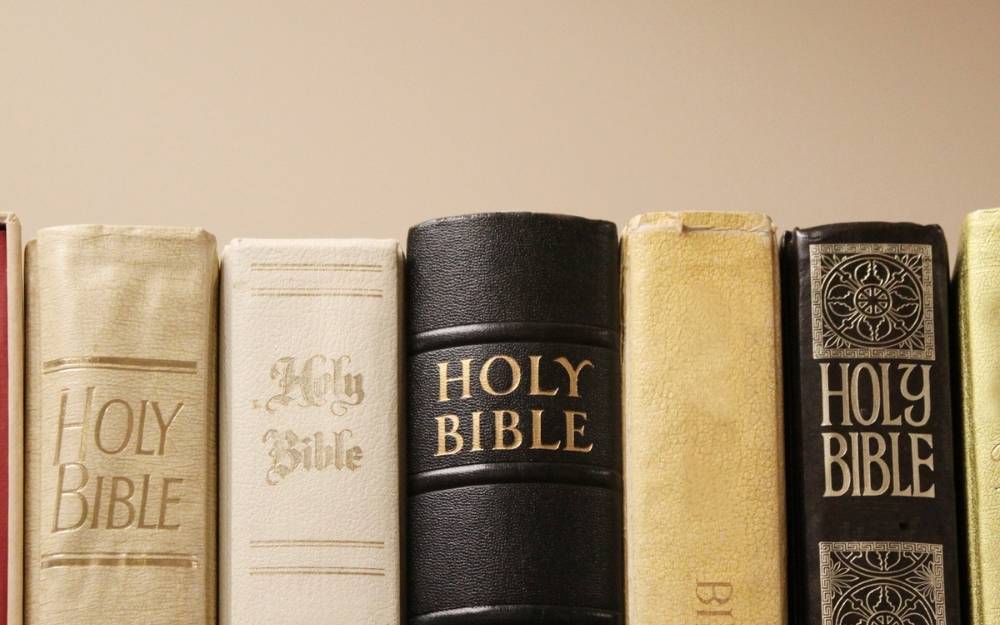
It is a common observation among book lovers that the manufacturing standards of the past were often higher than they are today. Many modern bibles are mass-produced with glued bindings and synthetic materials that tend to fall apart after a few years of heavy use. In contrast, older volumes were frequently made with craftsmanship in mind. When you look for used bibles, you often encounter features that are now considered luxury or are simply no longer available in standard retail shops.
- Smyth-sewn bindings: Older books were often stitched together in sections, allowing the Bible to lie flat when opened and ensuring the pages stay secure for a lifetime.
- High-quality leather: Vintage editions frequently used genuine goatskin or calfskin that ages beautifully, developing a unique patina over time.
- Art-gilt edges: The traditional red-under-gold page edges found on older premium bibles are often more vibrant and durable than modern spray-on versions.
- Opaque paper: Many older printers used specialised thin paper that managed to be incredibly opaque, reducing the ‘ghosting’ effect where text from the other side of the page shines through.
Finding rare translations and out of print gems
The landscape of biblical translation is always shifting. While new versions are released every few years, many readers find themselves deeply attached to specific translations that have since gone out of print or have been significantly revised. If you are looking for a specific vintage of the Revised Standard Version, or perhaps a particular layout of the King James Version that is no longer produced, the second-hand market is your only realistic option.
Searching for these editions can be a rewarding hobby in itself. There is a sense of achievement in trackng down a specific Oxford or Cambridge printing from the mid-20th century that features the exact typography and paper quality you prefer. These books were built to be used daily, and their survival is a testament to the care they received from their previous owners. By choosing a used copy, you are often getting a superior product for a fraction of the price of a modern premium Bible.
The environmental and ethical choice
Beyond the aesthetic and historical reasons, there is a very practical argument for choosing pre-owned books: sustainability. The publishing industry has a significant environmental footprint, from the timber used for paper to the chemicals involved in tanning leather and printing ink. By opting for a used volume, you are extending the life of an existing object and reducing the demand for new resources. It is a small but meaningful way to practice stewardship of the planet.
Furthermore, buying used often supports smaller, independent booksellers and charitable organisations. Instead of your money going to a massive global corporation, it often goes toward sustaining a small business owner who has a genuine passion for books and their history. This creates a more personal connection between the buyer, the seller, and the book itself.
How to choose a used Bible that will last
If you are new to buying second-hand, it helps to know what to look for to ensure you are getting a copy that will serve you well for years to come. While some wear and tear is expected, certain types of damage are more significant than others. Learning to recognise the difference between ‘character’ and ‘deterioration’ is key to making a wise purchase.
- Check the spine: Look for any cracking in the leather or signs that the binding is pulling away from the page blocks. A loose spine can often be repaired, but it is something to be aware of.
- Inspect for ‘red rot’: This is a condition found in some older leathers where the material begins to crumble into a fine red dust. It is best to avoid books with this issue as it is difficult to stop.
- Note the annotations: Decide if you prefer a ‘clean’ copy or if you enjoy the presence of notes and underlining. Some sellers will categorise books based on the amount of marking inside.
- Verify the edition: If you are looking for a specific printing or translation, always check the title page and the copyright dates, as cover designs can sometimes be misleading.
There is also the matter of the ‘feel’ of the book. Some people prefer a stiff cover that provides plenty of support while reading without a desk, while others want a ‘floppy’ Bible that drapes over the hand. One of the joys of the used market is the sheer variety of textures and sizes available. You might find a pocket-sized New Testament that fits into a jacket for travel, or a large family Bible that demands a place of honour on a study table. Every used Bible has a personality, and finding the one that matches yours is part of the journey.
Ultimately, the search for a used Bible is about more than just finding a bargain. It is about recognising that a book is more than the sum of its parts. It is a vessel for ideas, a companion for quiet mornings, and a link to the past. Whether you are a student of history, a collector of fine bindings, or simply someone looking for a more meaningful way to engage with your faith, the world of pre-owned bibles offers something that a brand-new book simply cannot replicate. Each scuff on the cover and each faded note in the margin is a reminder that the words inside have been lived out in the real world, through all the complexities of human life.

Aisha is a choreographer and writer specialising in freestyle and competitive hip-hop dance. She breaks down techniques, dance battles, and the influence of hip-hop on mainstream dance styles.