When most people prepare for a surgical procedure, their focus is understandably on the day of the operation itself. They research the surgeon, the clinic, and the expected results. However, the period that follows the surgery is just as critical, if not more so, for ensuring the success of the procedure and your overall health. Many patients find that the journey doesn’t end when they leave the hospital; in fact, that is precisely when the most important work begins. This is where professional Post Operative Care Glasgow becomes an essential part of the healing process.
Recovering at home can be daunting. You might be dealing with pain, limited mobility, and the anxiety of wondering if your incisions are healing correctly. In Glasgow, more people are now seeking specialised post-operative support to bridge the gap between the surgical theatre and returning to their normal daily lives. This level of care isn’t just about changing bandages; it is about providing a comprehensive environment where your body can repair itself with the guidance of experts who know exactly what to look for.
Why the First Few Days Are So Crucial
The initial 48 to 72 hours following any surgical intervention are the most volatile. During this window, your body is reacting to the trauma of surgery, and the risk of complications such as infection or haematoma is at its highest. Professional post-operative care ensures that you are monitored by individuals who can distinguish between normal post-surgical discomfort and signs of a potential issue.
In a city like Glasgow, where we have world-class surgical facilities, it only makes sense to match that excellence with high-quality aftercare. Having a professional eye on your recovery means that small issues are caught before they become major setbacks. This proactive approach not only keeps you safe but also provides immense peace of mind for both you and your family members, who might feel overwhelmed by the responsibility of looking after you.
Essential Elements of Effective Aftercare
Good recovery care is multifaceted. It involves physical monitoring, medication management, and emotional support. When you opt for dedicated post-operative services, you are typically looking at a programme that includes:
- Regular monitoring of vital signs and wound healing progress.
- Pain management strategies tailored to your specific discomfort levels.
- Assistance with mobility to prevent issues like deep vein thrombosis (DVT).
- Guidance on nutrition and hydration to fuel the body’s repair mechanisms.
- Education on how to move, sleep, and bathe safely during the early stages of recovery.
The Importance of Lymphatic Drainage and Swelling Management
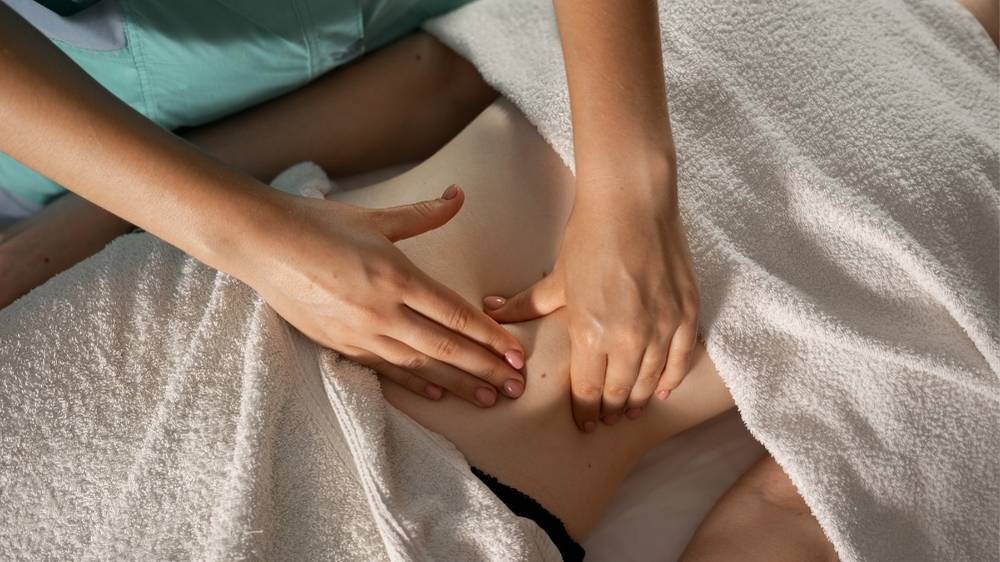
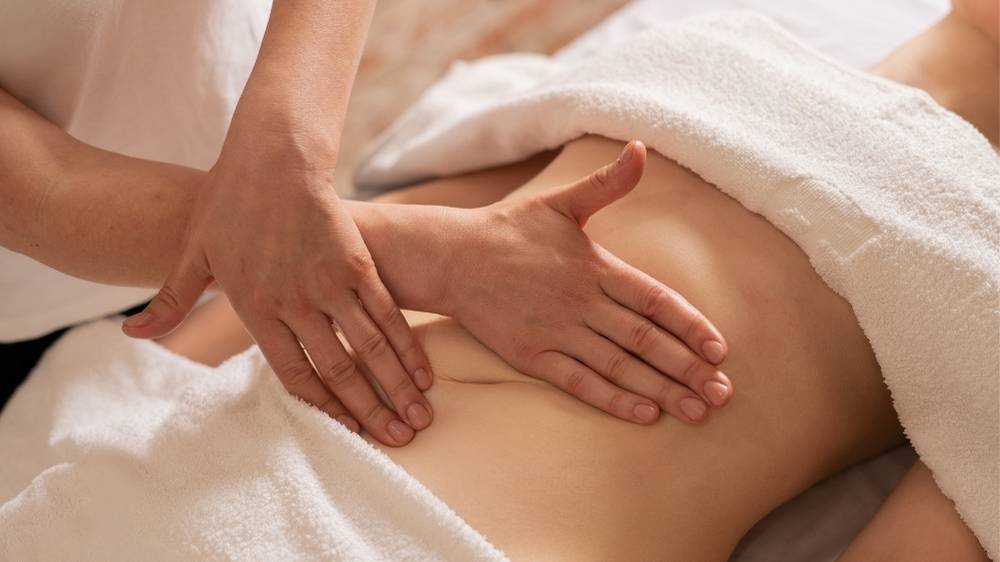
One aspect of recovery that is often overlooked is the management of swelling and fluid retention. Whether you have had a cosmetic procedure or a more invasive medical surgery, inflammation is a natural response. However, excessive swelling can be painful and may even hinder the healing of your incisions. This is a primary reason why many seek specialised Post Operative Care Glasgow services that include manual lymphatic drainage.
Lymphatic drainage is a gentle massage technique designed to encourage the movement of lymph fluids around the body. This helps to reduce swelling, detoxify the tissues, and speed up the overall healing process. When performed by a trained professional in Glasgow, this can significantly reduce the ‘tight’ feeling often experienced after surgery and help you see your final results much sooner.
Recognising the Signs of Potential Complications
While most surgeries go smoothly, being aware of what could go wrong is a vital part of being a responsible patient. Professional carers are trained to spot the subtle red flags that the average person might miss. If you are recovering on your own, it is important to know when to call for help. Some of the signs that require immediate attention include:
- A sudden increase in pain that isn’t managed by prescribed medication.
- Redness, warmth, or excessive swelling around the incision site.
- Foul-smelling discharge or pus coming from the wound.
- A high temperature or feeling generally unwell with flu-like symptoms.
- Shortness of breath or sudden calf pain, which could indicate a blood clot.
The Role of Nutrition in Post-Surgical Healing
What you put into your body during recovery is just as important as the medication you take. Surgery puts a massive strain on your metabolic system, and your body requires extra energy and specific nutrients to rebuild tissue. In Glasgow, many post-operative care plans now include nutritional guidance to ensure patients are eating a diet rich in protein, vitamins, and minerals.
Protein is the building block of new tissue, while Vitamin C and Zinc play pivotal roles in wound healing and immune function. Hydration is equally critical; water helps transport nutrients to your cells and flushes out the remnants of anaesthesia and other medications from your system. A professional carer can help you organise a meal plan that supports your recovery without being too heavy or difficult to digest while your activity levels are low.
Creating a Safe Recovery Environment at Home
Before you even head into surgery, setting up your home for your return is a smart move. If you are working with a post-operative care provider, they can often advise you on how to optimise your space. You want to ensure that everything you need is within easy reach so you don’t have to strain yourself. This might include:
- Setting up a ‘recovery station’ with your phone, chargers, books, and water.
- Ensuring walkways are clear of rugs or clutter to prevent trips and falls.
- Preparing easy-to-heat meals or arranging for a meal delivery service.
- Having plenty of pillows to help you stay propped up in a comfortable position.
- Ensuring you have all your prescribed medications and wound care supplies ready.
The Psychological Impact of the Recovery Period
It is very common for patients to experience a dip in their mood following surgery. This is often referred to as ‘post-op blues.’ The combination of physical discomfort, lack of sleep, and the sudden drop in adrenaline after the surgery can leave you feeling tearful or frustrated. Furthermore, if you are someone who is usually very active, being confined to a bed or sofa can be mentally taxing.
Having professional support as part of your Post Operative Care Glasgow plan provides a social connection that can mitigate these feelings. Knowing that someone is coming to check on you, listen to your concerns, and reassure you that what you are feeling is normal can make a world of difference. It allows you to focus on the positive steps of your recovery rather than getting bogged down in the temporary limitations of your current physical state.
Choosing the Right Support in Glasgow
When selecting a provider for your aftercare, it is important to look for experience and a personalised approach. Every patient is different, and every surgery has its own set of requirements. You want a team that understands the specific nuances of your procedure and can adapt their care to your individual needs. Whether you need daily visits or just a few sessions of specialised therapy, the right support will be flexible and focused entirely on your comfort and safety.
Glasgow has a wealth of resources, but finding a centre that specialises in the intersection of clinical safety and patient comfort is key. By investing in professional care, you aren’t just buying a service; you are investing in the long-term success of your surgery and ensuring that your transition back to health is as smooth and pain-free as possible. Taking that extra step to secure expert help can be the difference between a long, difficult recovery and a swift, successful return to your best self.

Aisha is a choreographer and writer specialising in freestyle and competitive hip-hop dance. She breaks down techniques, dance battles, and the influence of hip-hop on mainstream dance styles.